

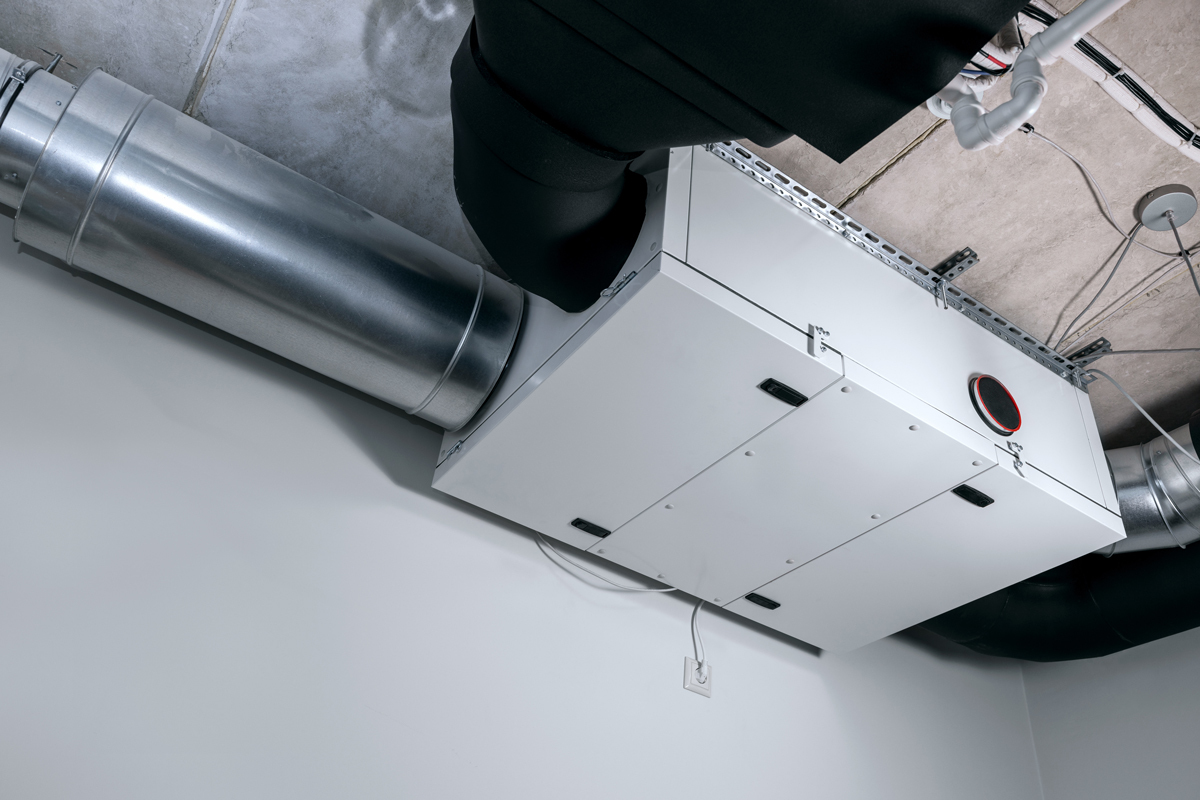

Do Heat Recovery Ventilation (HRV) systems actually make a meaningful impact on energy savings in Canadian homes? The short answer…absolutely.
HRVs are among the most effective and reliable technologies for improving energy efficiency while maintaining excellent indoor air quality. For homeowners in Alberta, where long winters and temperature swings dominate the year, HRVs often deliver some of the highest performance and cost savings.
As a builder committed to high-performance, future-ready homes, Avalon Homes integrates industry-leading HRV systems into our construction standards. These systems enhance day-to-day comfort, reduce utility costs, and contribute to long-term energy performance. They’re also backed by the Canadian Home Builders’ Association (CHBA) as a best practice.
For homeowners looking to maximize energy efficiency without compromising indoor air quality, HRVs remain one of the smartest investments available today.
How Do HRV Systems Actually Save Energy?
At their core, HRVs use a heat exchanger to capture warmth from outgoing stale air and transfer it to incoming fresh air, and it does this without the two air streams mixing. Instead of sending heated indoor air directly outside (like traditional ventilation), an HRV recovers 60–95% of the heat that would otherwise be lost.
To put this into perspective:
In a typical Alberta winter, your indoor air might be around 20°C, while outdoor temperatures can dip to –20°C or lower. An HRV can use the heat from your outgoing air to pre-warm incoming air to roughly 15°C. That means your furnace has far less work to do to reach a comfortable temperature!
Key energy-saving benefits include:
- High heat recovery efficiency: 60–95% of heat is reclaimed
- Reduced HVAC workload: Lower heating and cooling demands
- Seasonal optimization: Exceptional winter performance in Canadian climates
Avalon Homes selects premium HRV systems designed specifically for harsh Canadian conditions. These units are engineered to operate efficiently, even in Alberta’s coldest months, ensuring homeowners experience the maximum possible energy savings year-round.
How Much Money Can You Actually Save with an HRV System?
Heat recovery directly translates to reduced heating and cooling bills. Most homeowners can expect 15–50% savings on ventilation-related heating costs—often adding up to hundreds of dollars per year.
For example, in a typical Alberta home (which loses approximately $600 annually through ventilation heat loss), installing a properly sized HRV could save $200–$300 per year. During the summer months, HRVs can also pre-cool incoming air using cooler exhaust air from air-conditioned spaces, reducing the workload on your cooling system.
Operating and long-term cost advantages include:
- ENERGY STAR® certified HRVs cost only $2.75–$10/month to run
- Long-term savings often offset installation costs within 5–10 years
- Utility incentives in many provinces reduce upfront investment
We apply detailed energy modeling to calculate expected savings in each specific build, helping homeowners clearly understand the return on their HRV system before construction begins.
What Are the Real Operating Costs of HRV Systems?
Operating costs for modern HRVs are surprisingly low. With efficient fan motors and smart controls, most ENERGY STAR® certified units cost between $2.75 and $10 per month to operate in Canadian markets.
Maintenance also remains affordable, with filter replacements, costing somewhere between $20–$50 annually, being the primary ongoing expense. Unlike other mechanical systems that require regular servicing, HRVs remain cost-effective throughout their lifespan.
Comparatively, relying on open windows for ventilation during winter can waste $50–$100 per month in lost heat! An HRV provides the same fresh air for a fraction of the cost.
Many Canadian utility providers also offer incentives, including:
- $500–$1,000 in rebates for HRV installation
- Low-interest financing options for energy-efficiency upgrades
Avalon Homes provides full transparency around operating costs and savings projections, ensuring homeowners understand both the short- and long-term financial benefits.
How Do HRVs Work with High-Performance Building Design?
Modern homes, particularly in Alberta, benefit greatly from airtight, well-insulated construction. However, airtight design requires mechanical ventilation to maintain healthy indoor air quality. This is where HRVs excel, because they enable airtight construction without sacrificing fresh air or comfort.
HRVs support high-performance building envelopes by:
- Maintaining consistent indoor air quality
- Reducing humidity and contaminants
- Optimizing ventilation based on occupancy and outdoor conditions
Advanced control systems allow HRVs to adjust performance dynamically, saving 20–30% more energy compared to older constant-speed systems.
In net-zero, passive house, and other high-performance builds, HRVs are not optional—they are essential. Avalon Homes ensures every HRV is integrated into the building envelope and mechanical design, ensuring peak performance from day one.
How Do Canadian Climate Conditions Affect HRV Performance?
Canadian climate conditions perfectly suit HRV technology. Large temperature differences between indoor and outdoor air during winter allow HRVs to recover higher amounts of heat.
Modern HRV systems come equipped with frost prevention mechanisms that maintain performance even during –30°C cold snaps. Unlike early generation units, today’s HRVs are designed to thrive in the most extreme conditions.
Climate zone benefits:
- Continental climates (Alberta/Saskatchewan): Highest heat recovery and winter energy savings
- Northern climates: Maximum energy recovery in extreme cold
- Maritime climates: Consistent performance with moderate savings
Avalon Homes selects HRVs matched to Alberta’s climate zone and local energy costs, ensuring optimal performance, regardless of season!
What Is the Return on Investment for HRV Systems?
Most HRV systems in Alberta cost $2,000–$5,000, including installation. With annual energy savings of $200–$500, homeowners typically achieve a full return on their investment within 5–10 years. This timeframe is actually often shorter in colder climate zones, just like the ones we have across Canada.
Factors that influence ROI:
- Home size and insulation (larger, better-insulated homes save more)
- Local heating costs
- System efficiency and ENERGY STAR® rating
- Available utility rebates (often covering 20–40% of costs)
HRVs also enhance home resale value. As buyers become increasingly energy-conscious, homes offering documented efficiency and alignment with CHBA standards will stand out in the market. This is what we offer.
Avalon Homes incorporates value-engineering principles to ensure each home receives the ideal HRV system for performance, comfort, and long-term savings.
HRV systems deliver reliable, measurable energy savings while ensuring superior indoor air quality—an essential combination for modern Canadian homes. For Alberta homeowners, HRVs represent one of the best long-term investments in comfort, efficiency, and home value.
When you choose Avalon, you’re choosing a smarter, healthier, and more energy-efficient home that is built for the future. Contact us today for more information!